More homeowners are exploring off-grid living as a way to gain energy independence, reduce utility costs, and prepare for unexpected power outages. Advances in solar technology, battery storage, and energy-efficient appliances have made living off the electrical grid more practical than ever. However, going off-grid requires careful planning to ensure your home has a reliable and safe source of electricity year-round.
Understand Your Energy Needs
Before investing in an off-grid system, it’s important to determine how much electricity your household uses each day. Consider everything from lighting and kitchen appliances to heating, cooling, and well pumps. Conducting an energy audit can help identify opportunities to reduce consumption before designing your system.
Improving your home’s energy efficiency is often the first step. Upgrading insulation, replacing outdated appliances with energy-efficient models, and switching to LED lighting can reduce the amount of power your off-grid system needs to produce.
Choose the Right Power Sources
Solar panels are the most common choice for off-grid homes because they are reliable, renewable, and require relatively little maintenance. Depending on your location, other renewable energy sources such as wind turbines or micro-hydro systems may also be practical.
Many homeowners combine multiple energy sources with battery storage to ensure consistent power throughout the year. Battery banks store excess electricity generated during sunny or windy conditions so it can be used at night or during periods of poor weather.
Some off-grid systems also include a backup generator to provide additional power during extended periods of low renewable energy production.
Battery Storage Is Essential
Without access to the utility grid, battery storage becomes one of the most important parts of your electrical system. Modern lithium-ion batteries offer improved performance, longer life spans, and lower maintenance requirements compared to older battery technologies.
Selecting the proper battery capacity depends on your daily energy usage and how many days of backup power you want available during cloudy weather or equipment maintenance.
Work With Qualified Professionals
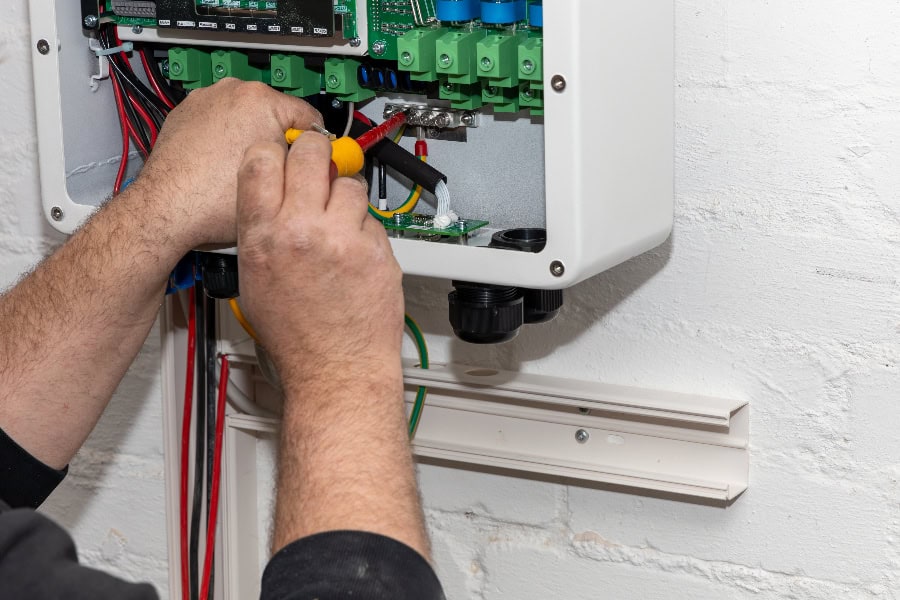
Designing an off-grid electrical system involves much more than installing solar panels. Proper system sizing, electrical safety, permitting, and equipment compatibility all play important roles in long-term performance. Working with an experienced off-grid electrician helps ensure your system is designed to meet your household’s energy demands while complying with applicable electrical codes.
A qualified professional can also help you plan for future expansion if your energy needs change over time.
Is Going Off-Grid Right for You?
Living off-grid isn’t the right solution for every homeowner, but it can provide greater energy independence and resilience when properly designed. By understanding your energy needs, investing in efficient equipment, and working with experienced professionals, you can build a reliable system that supports your lifestyle for years to come.
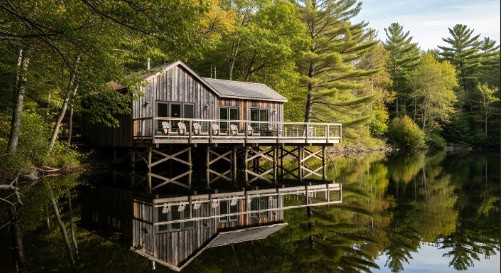
Whether you’re planning a remote cabin, a full-time residence, or simply exploring alternatives to traditional utility service, careful planning is the key to a successful off-grid power system.…